How To Read A Cognitive Supplement Label
A supplement label tells you more than the marketing copy around it, if you know which things to actually check.
Four fast checks that take under two minutes and tell you more than most sales pages will.
Check 1: named ingredients or a hidden blend?
A 'proprietary blend' lists ingredients but hides the amount of each behind a single combined total. Named individual amounts, where available, are always more transparent, letting you actually assess whether an ingredient is present at a meaningful level.
Check 2: disease claims or structure-function language?
By law, a dietary supplement cannot claim to diagnose, treat, cure or prevent a disease like dementia or Alzheimer's. Language like 'supports memory and mental clarity' is what the law allows honest supplements to say, a product claiming to 'reverse cognitive decline' is a warning sign.
Check 3: are interaction risks disclosed?
Some cognitive-support ingredients, particularly herbs like St. John's Wort, carry real medication interaction risks. A responsible label or website should surface this clearly, not bury it in dense fine print.
Check 4: is the guarantee real?
A genuine money-back guarantee, with a clearly stated window and a real refund process, signals a company willing to stand behind gradual results.
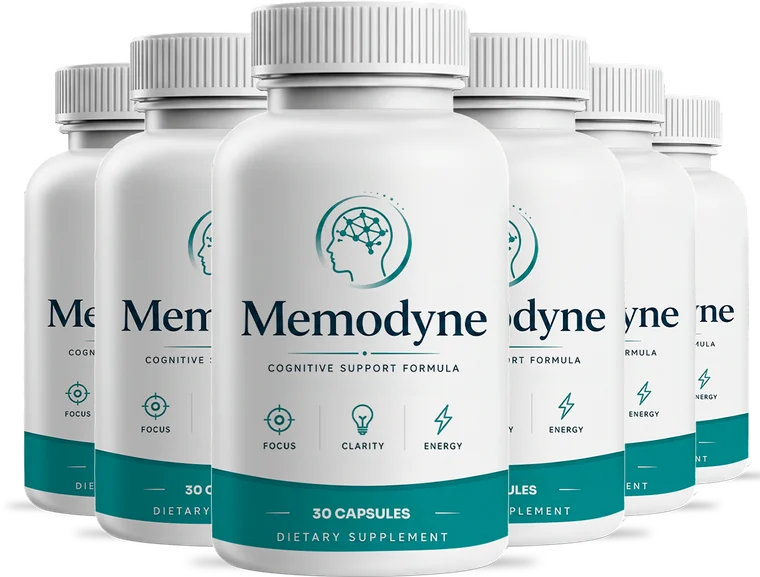
Applying this to Memodyne
Memodyne names all 6 ingredients specifically and describes them honestly, without disease claims, and discloses the St. John's Wort interaction risk clearly, consistent with what a responsible label should do.