Ginkgo Biloba & Bacopa Monnieri, Explained Honestly
These two botanicals carry some of the deepest research histories in the cognitive-support category, which doesn't mean every claim made about them is accurate.
Here's a straightforward look at what each ingredient's research actually supports.
Ginkgo Biloba: the circulation story
Ginkgo Biloba's cognitive-support reputation centers on its role in supporting blood flow, including circulation to the brain. Its active compounds, flavonoids and terpenoids, also carry antioxidant properties studied for a role in protecting brain cells from oxidative stress.
Research on Ginkgo and cognitive outcomes is genuinely mixed across studies, some show modest benefits for memory and processing speed, particularly in older adults, while others show limited effect. This is a real, well-researched ingredient with real limits, not a miracle herb.
Bacopa Monnieri: the Ayurvedic memory herb
Bacopa Monnieri has centuries of use in Ayurvedic medicine specifically for memory and cognitive support. Its active compounds, called bacosides, have been studied for a role in supporting the growth of proteins involved in new neuron formation, a process relevant to memory formation.
Clinical research on Bacopa generally shows more consistent, if modest, memory-related benefits than some other cognitive herbs, typically appearing after several weeks of consistent use rather than immediately.
What this means for expectations
If a product built around these ingredients promises overnight transformation, that's overselling what the research actually supports. Realistic expectations: gradual support, building over weeks, most noticeable with consistent daily use.
Where this leaves Memodyne
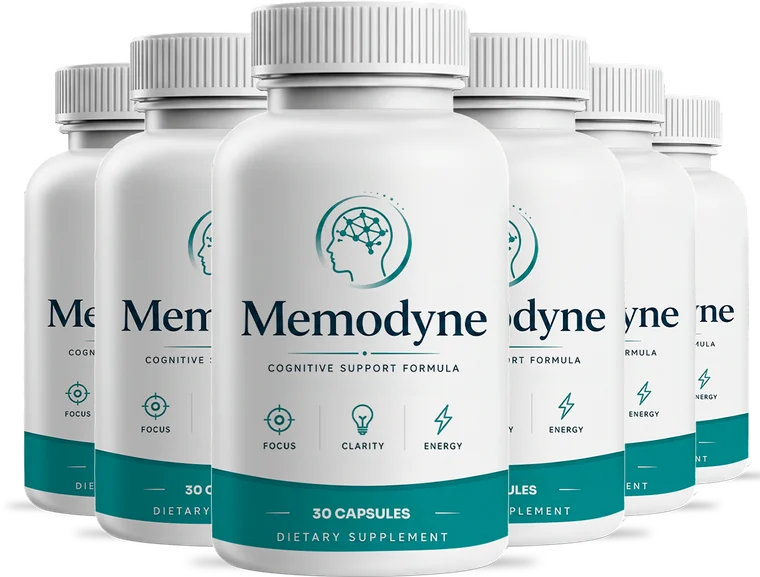
Memodyne pairs Ginkgo and Bacopa with four other named ingredients, positioned as gradual daily support rather than a quick fix, consistent with what these two ingredients' research actually shows.